Christmas in the Czech Republic is not just about gifts or a Christmas tree. Christmas is a holiday full of symbols, customs and small rituals that create an atmosphere that is passed down from generation to generation. Every family has its own traditions, but many of them have common historical roots. Let’s look at those that form the basis of the Czech Christmas magic.
Advent wreaths
One of the most famous symbols of Advent is the Advent wreath – a circle woven from needles, which represents eternity, hope and expectation. The tradition of wreaths reached Czech households at the turn of the 19th and 20th centuries, but its roots go back to Protestant Germany.
The heart of the wreath are four candles, which are lit gradually during the four Advent Sundays. Each of them carries its own symbolism:
The first candle – Hope (Prophet’s) – commemorates the prophets who predicted the coming of the Messiah.
The second candle – Love/Peace (Bethlehem) symbolizes the peace and love associated with the story of the birth of Jesus.
The third candle – Joy (Shepherd’s) is usually pink and refers to the joyful message to the shepherds.
The fourth candle – Peace (Angel’s) represents the peace and tranquility that comes with the birth of Christ.
Sometimes a fifth candle is added – the Christ candle, which is lit on Christmas Eve.
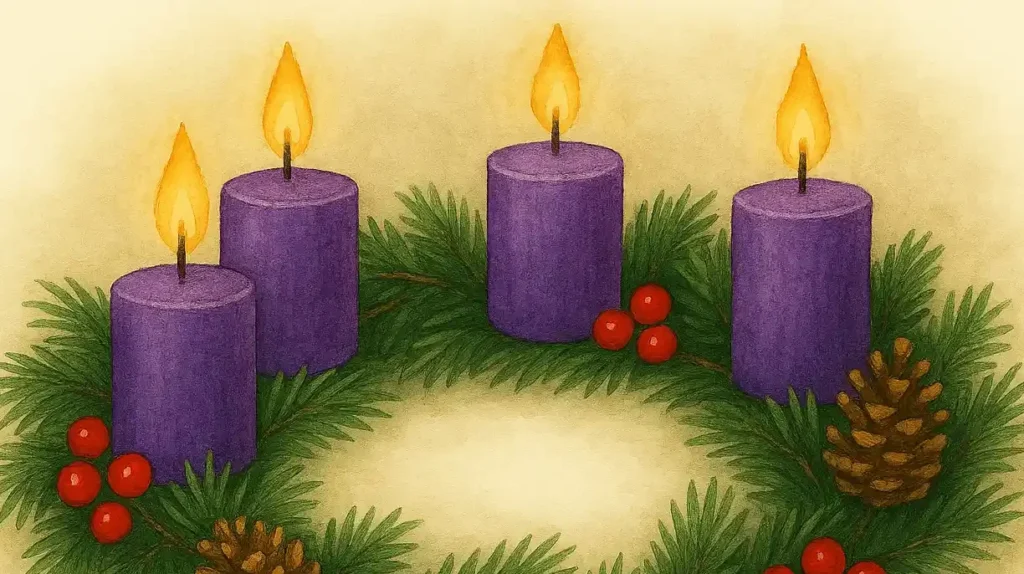
The color of the candles also has its meaning: traditionally, purple (repentance and nobility) and pink (joy) are used, but modern wreaths often also use white or red candles. Candles are traditionally lit counterclockwise, which symbolizes the passage of time and the gradual increase in light. The Advent wreath is still a symbol of calm, anticipation, and preparation for festive moments.
Sweets
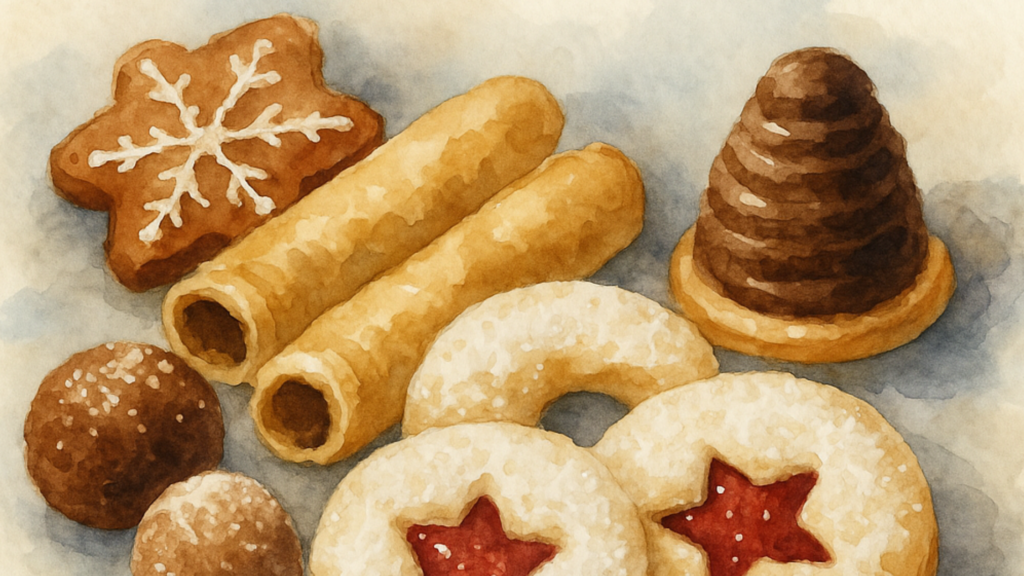
Baking Christmas cookies is one of the most popular activities of Advent. In the past, dozens of types were baked – rolls, gingerbread, Linz cookies, pracny cookies – and small sweets were hung on the tree instead of decorations. Only later did sweets begin to be served as part of the holiday table. Baking was (and still is) an opportunity to meet, share and give gifts to neighbors or colleagues.
Divinations and superstitions
Czech Christmas is full of symbolic rituals that were supposed to help look into the future or protect the household. Many of them have survived to this day – sometimes for fun, sometimes for tradition.
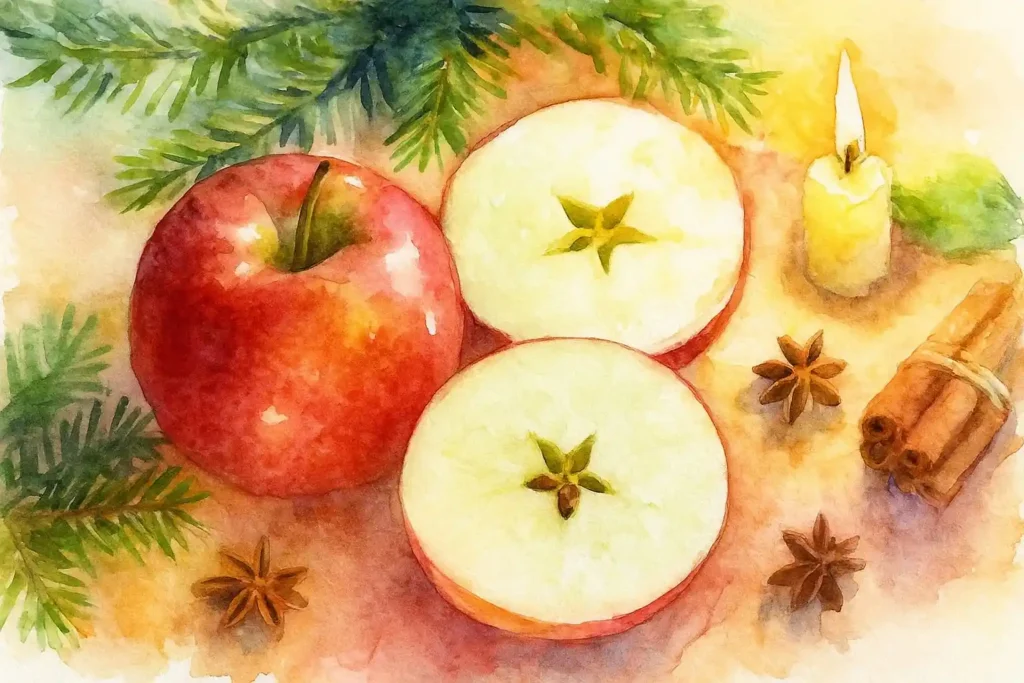
Cutting an apple – An apple is cut crosswise. A star inside means health and happiness, a cross means illness or misfortune. One of the most famous Czech Christmas customs.
Lead casting – Molten lead is poured into cold water and the future is predicted based on the shapes formed. Smooth shapes signify peace, sharp obstacles. It is one of the oldest traditions.
Walnut boats – A candle in a walnut shell is floated on the water. Boats together symbolize a close-knit family, those that float to the side signify changes or a journey.
Shoe throwing – A single girl throws a shoe over her shoulder. If the toe points towards the door, she will get married; if it points inside, she stays at home. A playful custom with a long tradition.
Carp scale – It is placed under a plate or in a wallet. It is supposed to bring money and abundance in the following year. It has been part of Czech Christmas for decades.
Golden piggy bank – Anyone who can go a whole day without eating until dinner is supposed to see a golden piggy bank. It symbolizes happiness and abundance — and today is more of a nice tradition than a real fast.
Christmas Eve: fasting, the smell of carp and Christmas Eve dinner
December 24, called Christmas Eve, is the highlight of Christmas for Czechs. It carries elements of fasting, abundance, family warmth, spiritual traditions and gift-giving.
During the day, people traditionally fasted from meat, often with the belief that those who could go without food until the evening would see a golden pig – a symbol of happiness and abundance. Instead of lunch, lighter meals were eaten – such as cabbage or pea soup or mushroom kuba (a croup dish made from garlic, marjoram and dried mushrooms, baked in the oven).
In the evening (around six o’clock in the afternoon), the whole family sat down for a festive dinner – today usually three courses, in the past there could be as many as nine courses. A fish broth made from carp head is served, with root vegetables and homemade croutons, followed by fried carp or chicken schnitzel, exceptionally another fish. The side dish is usually potato salad made from boiled potatoes, sterilized vegetables, eggs, mustard and mayonnaise (a little differently in each family). At the end, the family has homemade Christmas cake, strudel or Christmas cookies.
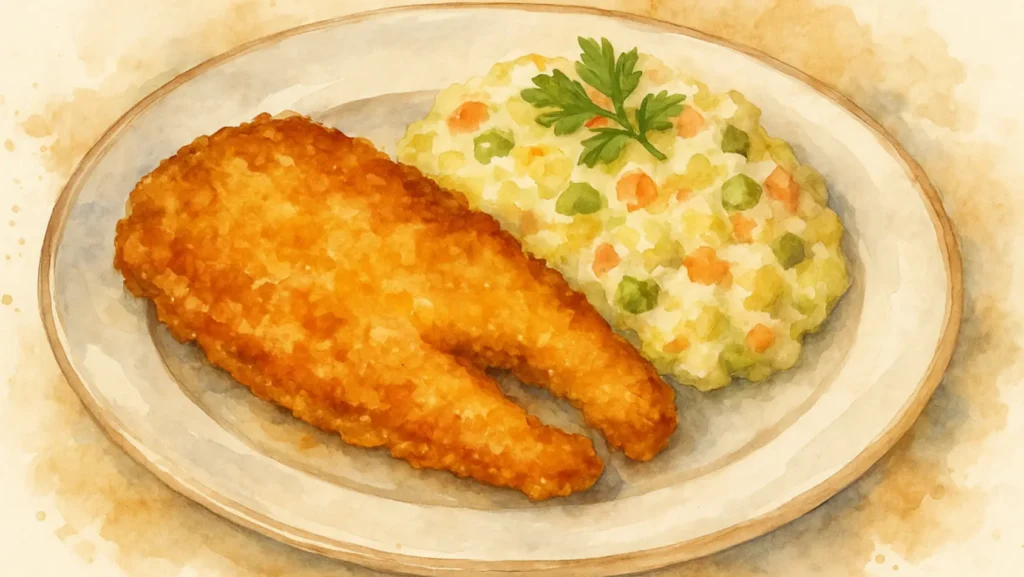
In the past, leftovers were given to animals or thrown into fire and water – as protection for the house. A coin was placed under the plate for wealth and mistletoe was hung above the table for luck and family cohesion.
After dinner, a bell is rung – a sign that “Santa Claus has come” and gifts are waiting under the tree. This is followed by unwrapping to the sound of carols or watching traditional Czech fairy tales, which are an integral part of the Christmas Eve atmosphere.
Christmas customs remind us of how deep our roots go and how beautifully the old and the new connect. This is what we are trying to bring to Back in Time Prague – so that every visitor can not only read about history, but also truly experience it. You can find Back in Time Prague on the 6th floor of the Máj – House of Fun entertainment and shopping center. In our next article, we’ll explore the history of Christmas through the traditions and customs that have survived to this day.